
Sourcing & Trade Guide
Kenya and East Africa's Export Boom: What's Driving It and What to Source
Comilmart Team
August 22, 2026
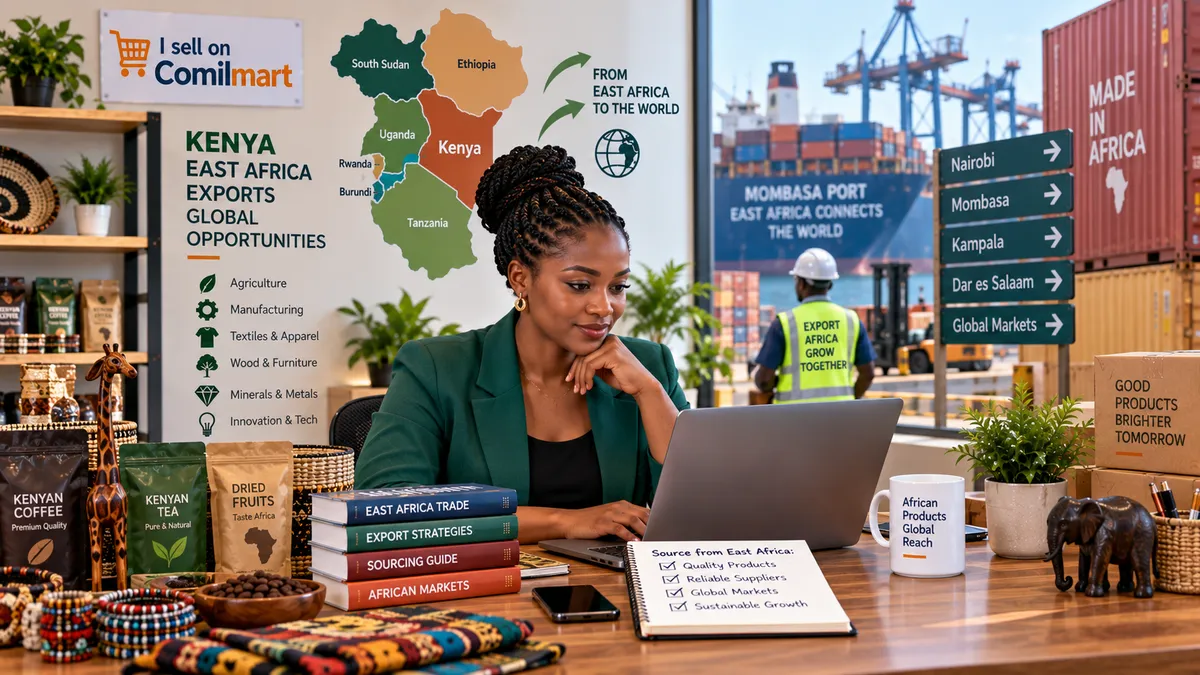
Kenya and its East African neighbors have seen genuine, sustained growth in export capacity across several categories, driven by a combination of agricultural strength, growing manufacturing investment, and improving regional logistics infrastructure. For international buyers, this represents a genuinely expanding set of sourcing opportunities. This guide covers what's driving East Africa's export growth and what buyers should specifically know about sourcing from the region.
What's driving East Africa's export growth
Several genuine factors have contributed to the region's export growth over recent years. Kenya specifically has developed a strong reputation as a regional business and logistics hub, with Nairobi serving as a genuine base for companies operating across East Africa more broadly. Investment in horticulture and cut-flower production has grown substantially, building on genuinely favorable growing conditions in parts of the region. Regional trade integration through the East African Community (EAC) has also reduced some of the friction in trading between East African neighbors, complementing the broader continental push under AfCFTA.
Kenya and East Africa's strongest export categories
A handful of categories show particular strength across the region, worth knowing specifically:
- Tea — Kenya is one of the world's leading tea exporters, with a genuinely mature, well-established export infrastructure built around this category specifically.
- Coffee — East Africa more broadly, including Kenya, Ethiopia, and Uganda, produces coffee with real international reputation for quality, particularly in specialty coffee markets.
- Cut flowers and horticulture — Kenya has become a major global supplier of cut flowers, with genuine cold-chain export infrastructure built specifically to support this time-sensitive category.
- Leather and leather goods — a growing category as the region has invested in moving beyond raw hide export into more finished leather products.
- Textiles — a developing manufacturing category, particularly benefiting from preferential trade access to certain international markets.
The cut-flower category deserves particular attention
Kenya's cut-flower export industry is worth understanding as a specific case study in what a genuinely mature, time-sensitive export category looks like. The infrastructure required — cold-chain logistics, direct air-freight relationships, and rapid customs clearance — has been built specifically to support flowers reaching international markets while genuinely fresh, and this same infrastructure and logistics expertise increasingly benefits other time-sensitive horticultural exports from the region too. A buyer sourcing perishable or time-sensitive goods from Kenya specifically benefits from this established cold-chain capability in a way that may not be as readily available in regions without a comparable existing time-sensitive export category.
Understanding regional trade integration
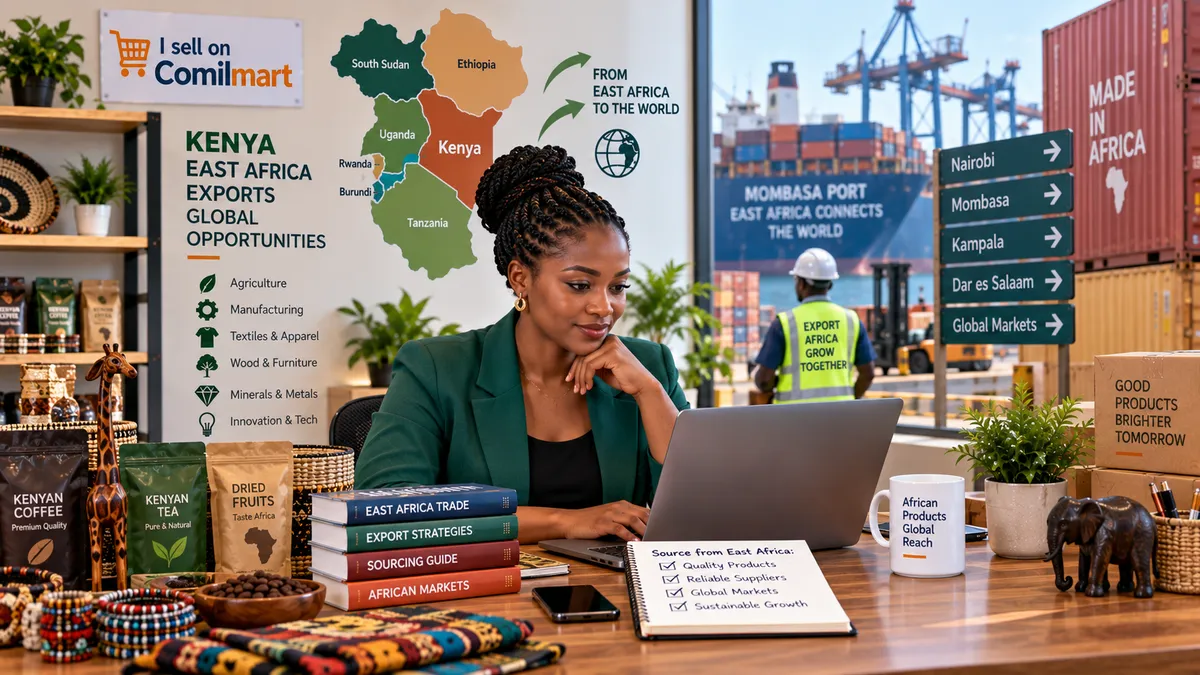
The East African Community (EAC), comprising Kenya, Uganda, Tanzania, Rwanda, Burundi, and South Sudan, has its own regional trade integration framework that in some respects moved faster than the broader continental AfCFTA process, given the smaller number of member countries involved. For a buyer specifically interested in the East African region, understanding both the EAC's own regional integration and how it interacts with the broader AfCFTA framework gives a fuller picture of the trade landscape, since goods and components may move between EAC countries as part of a broader regional supply chain before final export.
Logistics considerations for sourcing from the region
Kenya's Mombasa port serves as the primary maritime gateway for much of East Africa, not just Kenya itself, meaning it's worth understanding as regional export infrastructure rather than purely Kenya-specific. Nairobi's Jomo Kenyatta International Airport provides significant air freight capacity, particularly relevant for the time-sensitive horticultural exports the region is known for. As with sourcing from any region, getting a specific freight quote for your actual shipment, and confirming whether your supplier is shipping via Mombasa or another regional port depending on their specific location, gives you the accurate logistics picture for your particular order.
Quality certifications relevant to East African exports
For tea and coffee specifically, various quality and origin certifications are relevant and often actively sought by international buyers — certifications relating to sustainable and fair-trade production practices are particularly common in these categories given genuine international buyer demand for them. For cut flowers, certifications relating to labor practices and environmental standards in production are increasingly relevant to buyers, particularly those selling into markets with strong consumer interest in these factors. Understanding which certifications are genuinely relevant and verifiable for your specific product category, rather than assuming a generic certification applies, helps you evaluate supplier claims accurately.
Kenyan and East African manufacturers ready to reach international buyers can register as a verified supplier on Comilmart to get started.
What to expect from East African suppliers
Given the maturity of categories like tea, coffee, and cut flowers specifically, buyers can generally expect a reasonably professional export infrastructure from established suppliers in these categories — real experience with international documentation, established freight relationships, and genuine familiarity with international buyer expectations. For newer or smaller-scale categories, the same fundamental diligence that applies to any new sourcing relationship remains just as relevant: verification, sample ordering where practical, and clear, specific communication about lead times and capacity.
Frequently asked questions
Is Kenya the best entry point for sourcing from East Africa generally, or should I look at other countries directly?
Kenya's role as a regional logistics and business hub makes it a genuinely practical entry point for understanding the broader region, but the strongest specific supplier for your product category may be located anywhere in the region — worth evaluating suppliers on their own merits rather than assuming Kenya is automatically the best source for every category.
How time-sensitive is sourcing cut flowers or other perishables from the region, practically speaking?
Genuinely time-sensitive — this category depends on a tight, well-coordinated cold chain from harvest through to delivery, meaning working with suppliers who have real, established experience in this specific logistics chain matters more here than it does for most other product categories.
Are there meaningful differences in sourcing tea versus coffee from the region?
Yes — while both are genuine regional strengths, they involve somewhat different supplier landscapes, quality grading systems, and buyer expectations, so treating them as related but distinct categories, each worth understanding on its own terms, gives you a more accurate picture than assuming identical sourcing dynamics apply to both.
The bottom line
Kenya and East Africa more broadly offer genuinely mature export infrastructure in several specific categories — tea, coffee, and cut flowers particularly — alongside growing capacity in leather and textiles. The region's investment in logistics, particularly the time-sensitive cold-chain infrastructure built around horticulture, represents real, usable capability for buyers sourcing perishable or time-sensitive goods specifically, while the broader export landscape continues to develop across additional categories as regional and continental trade integration deepens.