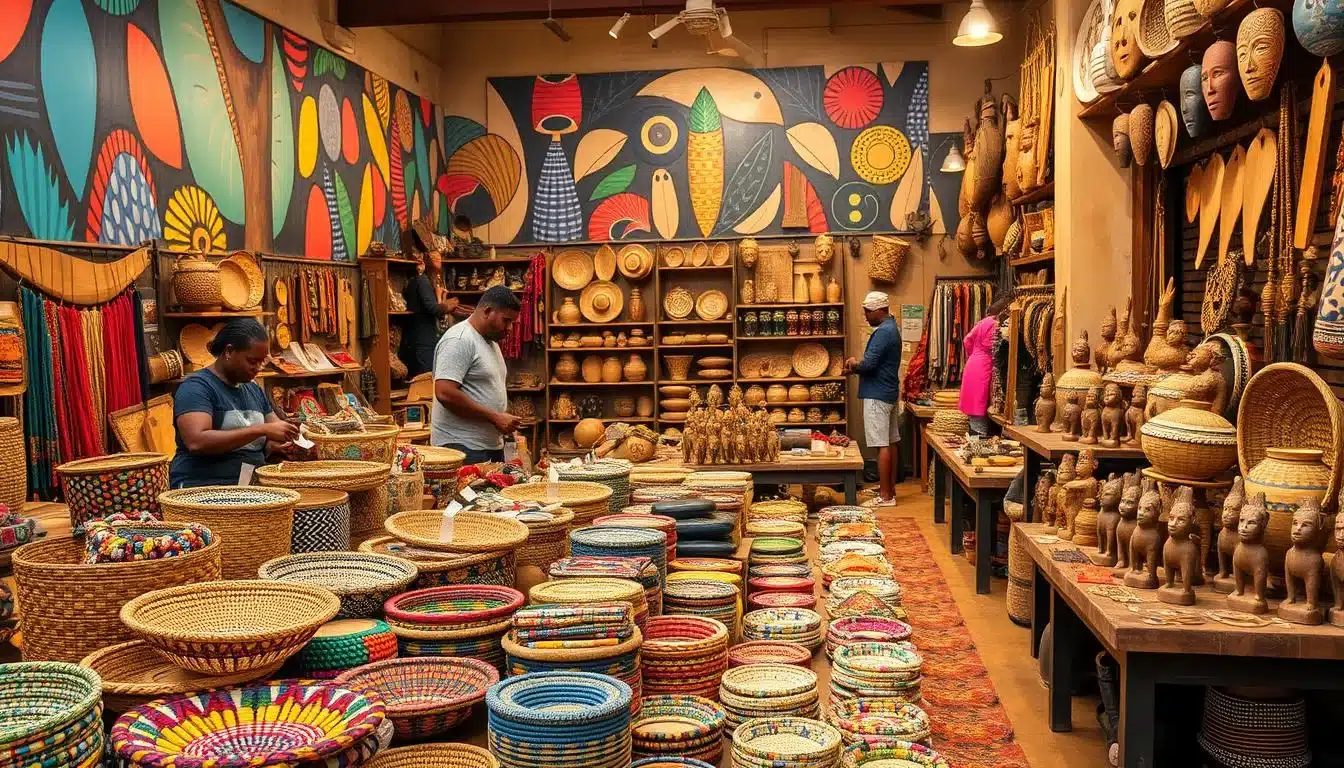
In an increasingly digital world, the success of exporters — especially in Africa — depends heavily on e-commerce platforms. These digital marketplaces are no longer optional: they are strategic tools that enable African exporters to showcase products, reach international buyers, manage transactions securely, and scale without the limitations of physical stores.
Click here to start selling and buying on Comilmart: https://www.comilmart.com/
Today’s exporters need more than traditional supply chains. They need platforms that offer:
- Global reach
- Secure payment systems
- Buyer credibility
- Logistics integration
- Export support services
This guide provides a deep dive into the best e-commerce platforms for exporters in Africa, including their strengths, features, audience reach, and how they compare.
Part 1 — Understanding E-commerce for Exporters in Africa
What Is Export-Focused E-commerce?
Export-focused e-commerce refers to online platforms that connect sellers in one country (e.g., Nigeria, Kenya, Ghana) with buyers in other countries. Unlike local marketplaces, these platforms are designed to:
- Attract international customers
- Support multiple currencies
- Provide export documentation assistance
- Facilitate cross-border shipping
For African manufacturers, artisans, and wholesalers, these digital channels are critical to unlocking global demand.
Why African Exporters Should Sell Online
Traditional export channels — involving trade agents, middlemen, and brokers — can be slow and costly. Online channels can remove these barriers by providing:
- Direct access to global buyers
- Lower transaction costs
- Real-time analytics
- Regional expansion
- 24/7 visibility
Africa is experiencing one of the fastest growing e-commerce adoption rates in the world, which makes digital selling an immediate opportunity.
👉 Internal link: Start selling your products online today on Comilmart — https://www.comilmart.com/sell
Part 2 — Criteria for Choosing the Best E-commerce Platform for Exporters
Before we review specific platforms, let’s establish what exporters need:
1. Global Reach
The platform should have buyers in multiple continents — including Europe, North America, Asia, and the Middle East.
2. Secure Payments
Support for international payments, multiple currencies, and secure checkout systems.
3. Logistics & Shipping Integration
Ability to integrate with logistics providers and offer tracking support.
4. Export Documentation Support
Assistance with customs forms, export certificates, and compliance challenges.
5. SEO and Marketing Tools
Platforms that help sellers get discovered organically.
6. Vendor Support
Training, onboarding, and customer service to help sellers succeed.
7. Scalability
Ability to grow with the business — from small shipments to bulk export orders.
Part 3 — Best E-commerce Platforms for Exporters in Africa
Below is a curated list of the top online platforms African exporters can use to grow internationally. Each platform serves different needs — from digital marketplaces to B2B export networks.
1. Comilmart — Africa’s Fastest-Growing Multi-Vendor Marketplace
Overview
Comilmart is a multi-vendor e-commerce platform tailored to African sellers and global buyers. With a focus on marketplace inclusivity, secure transactions, and export scalability, Comilmart is emerging as one of the top destinations for exporters in Africa.
Key Features
- Wide international visibility for products
- Export-friendly vendor tools
- Integrated logistics and delivery options
- Secure payment gateways
- Profile and store management
Why Comilmart Is Best for African Exporters
- Local + Global Reach: Comilmart bridges African sellers with customers across Africa, EU, US, Middle East, and Asia.
- Export-Ready Infrastructure: The platform supports vendors in gearing up their listings for international buyers.
- Cross-Border Sales Support: Comilmart integrates logistics and documentation support to simplify export processes.
- Community of Sellers: Most active vendors are SMEs, artisans, agro-exporters, and manufacturers.
👉 Internal link: Learn how to list and sell your products on Comilmart — https://www.comilmart.com/sell
Ideal For: African exporters of fashion, agro commodities, cosmetics, electronics, crafts, and more.
2. Alibaba & AliExpress — Global B2B & B2C Marketplace
Overview
Alibaba (B2B) and AliExpress (B2C) are among the world’s largest e-commerce marketplaces. While not Africa-specific, they provide immense global exposure for exporters.
What Makes Them Powerful
- Millions of international buyers
- Built-in translation and payment tools
- Buyer verification systems
- Bulk ordering capabilities
Challenges for African Exporters
- High competition from global sellers
- Complex onboarding for small businesses
- Requires strategic pricing and marketing
👉 External link: Alibaba Global Marketplace — https://www.alibaba.com
Best For: Manufacturers and exporters ready for large scale B2B orders.
3. Amazon Global — Competitive International Platform
Overview
Amazon allows African sellers to list products through international Amazon marketplaces (e.g., Amazon UK, Amazon US).
Benefits
- Massive customer base
- Trusted brand recognition
- Fulfilled by Amazon (FBA) options
- International logistics support
Considerations
- Registration and verification can be complex
- Fees are higher
- Requires compliance with marketplace policies
👉 External link: Sell on Amazon — https://sell.amazon.com
Best For: Exporters with scalable inventory and logistics capacity.
4. eBay Global — Marketplace with Flexibility
Overview
eBay enables global sellers to list items across many regions.
Benefits
- Auction and fixed price options
- International shipping assistance
- Diverse product categories
Limitations
- Less focus on business exports
- Can be more suitable for individual sellers
👉 External link: eBay Global Commerce — https://www.ebay.com
5. Etsy — Best for Handmade & Craft Exporters
Overview
Etsy is a global marketplace for handmade, craft, and creative products — perfect for African artisans.
Advantages
- Strong global niche audience
- Easy onboarding
- Integrated payment and shipping
👉 External link: Etsy Global Marketplace — https://www.etsy.com
Best For: African crafts, arts, jewelry, and specialty products.
6. Jumia — Leading E-commerce Marketplace in Africa
Overview
Jumia is a major African e-commerce giant with pan-African reach. While traditionally focused on local markets, it is an important platform for sellers building regional brand credibility before going global.
Why Jumia Matters
- Proven logistics network in Africa
- Large consumer base
- Offers export support through partnerships
👉 External link: Jumia Marketplace — https://www.jumia.com
7. Global Trade Websites & B2B Networks
Platforms that support African exporters include:
- GlobalSources — https://www.globalsources.com
- TradeKey — https://www.tradekey.com
- ExportHub — https://www.exporthub.com
- Made-in-China — https://www.made-inchina.com
These B2B portals expose export products to international buyers and bulk purchasers.
Part 4 — How to Choose the Right Platform for Your Business
Choosing the right platform depends on:
1. Product Type
- Physical goods (shoes, fashion, furniture) — Comilmart, Amazon, Etsy
- Agro products — Comilmart, Alibaba
- Art and crafts — Etsy, Comilmart
- Bulk commodity exports — Alibaba, B2B networks
2. Target Audience
- Mass consumer (B2C) — Comilmart, Amazon, eBay
- Business buyers (B2B) — Alibaba
- Niche markets — Etsy
3. Logistics and Shipping Capability
Platforms that integrate logistics (or connect with partners) help reduce friction in cross-border delivery.
Part 5 — Step-by-Step Guide to Selling on E-commerce Platforms
Step 1: Register Your Business
Ensure your business is legally registered in your country.
Step 2: Choose Your Platform(s)
Decide based on product, target market, and capacity.
Step 3: Prepare Your Product Catalog
Include:
- High–quality images
- Detailed descriptions
- Pricing in international currency (USD, EUR, GBP)
- Variants and stock status
👉 Internal link: How to list products on Comilmart — https://www.comilmart.com/sell
Step 4: Understand Export Requirements
Exporting requires compliance with customs and documentation.
👉 External link: Nigerian Export Promotion Council (NEPC) — https://www.nepc.gov.ng
Step 5: Integrate Payments
Use platforms that support secure international payments (Visa, Mastercard, PayPal, etc.).
Step 6: Choose Logistics Partners
Partner with freight forwarders and logistics services that deliver globally.
Step 7: Optimize Your Listings for SEO
Use relevant keywords, quality images, and detailed product descriptions.
Step 8: Market Your Export Products
Use:
- Social media ads
- SEO content marketing
- Email campaigns
- Influencer partnerships
Part 6 — Export Documentation and Legal Compliance
To export successfully:
- Prepare commercial invoices
- Obtain export certificates
- Confirm customs requirements
- Use compliance tools for food, cosmetics, and regulated products
👉 External link: International Trade Centre — https://www.intracen.org
Platforms like Comilmart can connect you to export support services.
Part 7 — Pricing Strategies for Exporters
Pricing for global markets requires:
- Competitive benchmark analysis
- Cost of production
- Transport and logistics overhead
- Platform fees
- Currency adjustments
Export pricing should be clear and competitive.
Part 8 — How to Build Global Brand Trust
Brand trust is crucial. Exporters should:
- Showcase reviews
- Display certifications
- Provide transparent policies
- Offer return options
Trust signals boost conversion.
Part 9 — Common Challenges Exporters Face & How to Solve Them
| Challenge | Solution |
| Language differences | Use multilingual descriptions |
| Logistics delays | Choose reliable carriers |
| Payment risk | Secure gateways |
| Customs clearance | Partner with export brokers |
Part 10 — Case Studies: Successful African Exporters
1. Shea Butter Exporters
Exporting natural oils to the USA and EU using marketplaces and direct B2B sites.
2. African Fashion Labels
Using platforms like Comilmart and Etsy to sell prints and fashion internationally.
3. Agro Exporters
Listing on Comilmart and Alibaba to secure bulk global buyers.
Conclusion: Comilmart and the Future of African Exports
The global demand for African products is growing. African entrepreneurs now have more tools than ever to reach buyers worldwide.
While platforms like Alibaba, Amazon, Etsy, and Jumia all have their advantages, Comilmart stands out as the best e-commerce platform for African exporters because it combines:
- Local market expertise
- Global export support
- Integrated logistics
- Secure payments
- Community of buyers and sellers
👉 Start selling your export products on Comilmart today:
https://www.comilmart.com/sell
#EcommerceAfrica #ExportAfrica #ComilmartMarketplace #SellGlobal #AfricanExporters #DigitalTradeAfrica #GlobalEcommerce #ExportOnline