How Can Manufacturing Industries in Africa Boom with E-commerce?: Africa’s manufacturing sector has long been viewed as a sleeping giant with immense potential to drive economic development, job creation, and innovation across the continent. However, despite having abundant raw materials, a growing workforce, and increasing foreign investment, African manufacturing has struggled to achieve the scale and efficiency seen in other parts of the world.
Enter e-commerce — a digital catalyst capable of unlocking the continent’s industrial potential. The rise of online platforms and digital trade networks has presented a historic opportunity for Africa’s manufacturing industries to not only scale operations but also reach regional and global markets. In this comprehensive blog post, we explore how manufacturing industries in Africa can boom with e-commerce, key strategies for integration, and the tools that can fuel this transformation.
Current State of Manufacturing in Africa
Africa’s manufacturing sector contributes around 10% of GDP compared to 16-20% in other developing regions. According to the Brookings Institution, the African industrial sector has grown modestly over the past decade, but remains underutilized relative to its potential.
Key players include:
- South Africa: Machinery, automotive, and steel
- Nigeria: Cement, food processing, textiles
- Egypt: Chemicals, plastics, electronics
- Kenya: Agro-processing, leather goods
Despite its diversity, manufacturing in Africa remains primarily domestic-focused, with limited export capacity and exposure to international markets.
Challenges Facing African Manufacturers
Manufacturers across Africa face several persistent barriers:
- High production costs due to outdated technology and infrastructure
- Limited access to capital for expansion or innovation
- Poor supply chain logistics and transportation challenges
- Lack of visibility in regional and global markets
- Insufficient digital adoption for marketing and distribution
These challenges restrict scalability, competitiveness, and revenue growth. But e-commerce offers a pathway to overcome many of them.
The E-commerce Advantage
E-commerce refers to the buying and selling of goods or services over the internet. For manufacturers, it offers a transformative way to sell directly to consumers (B2C) or other businesses (B2B) without relying on traditional distribution chains.
🔗 “E-commerce levels the playing field, allowing African manufacturers to bypass barriers and access broader markets directly.”
Key Trends Supporting E-commerce in Africa:
- Over 500 million internet users by 2025 (GSMA)
- Mobile penetration exceeding 80% in key markets
- Expansion of digital payment systems like M-Pesa and Paystack
- Growing trust in online platforms
Benefits of E-commerce to Manufacturers
1. Increased Market Reach
Manufacturers can reach customers across borders, expanding from local to continental or even global markets.
2. Direct-to-Consumer Sales
Eliminating intermediaries improves profit margins and enhances brand control.
3. Lower Operating Costs
Digital storefronts reduce the need for physical retail outlets and sales agents.
4. Data-Driven Decisions
E-commerce platforms provide analytics on consumer behavior, sales trends, and inventory management.
5. Brand Visibility and Loyalty
With targeted digital marketing, manufacturers can build a loyal customer base and differentiate themselves.
Platforms Driving Manufacturing Growth
1. Comilmart (Visit Website)
A pan-African multi-vendor e-commerce platform enabling manufacturers to list, market, and sell products across Africa.
2. Alibaba Africa
Partnerships with African SMEs for bulk manufacturing sales to China and Asia.
3. Jumia
Africa’s largest e-commerce platform offering B2C and B2B solutions for manufacturers.
4. TradeDepot
Connects African manufacturers to informal retail outlets using a digital supply chain.
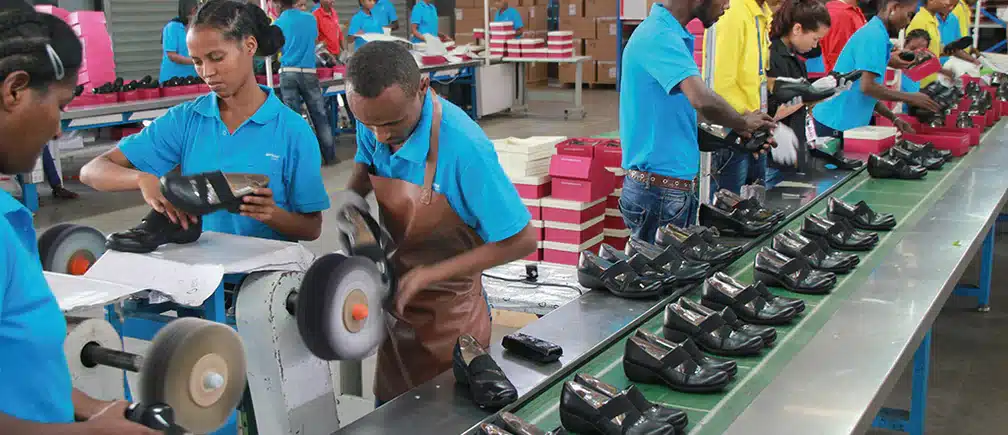
Case Study: How Comilmart Supports African Manufacturers
Comilmart is uniquely positioned to support African manufacturing with its multi-vendor architecture, regional logistics partners, and localized digital tools. Here’s how:
- Factory Direct Sales: Allows manufacturers to sell directly to consumers and retailers
- Vendor Dashboard: Manages orders, shipments, and returns in real-time
- Cross-Border Tools: Currency converters and localized tax settings
- Marketing Features: Email campaigns, SEO optimization, and social sharing tools
📅 “Manufacturers on Comilmart report a 30-50% increase in monthly revenue after transitioning online.”
Explore more: How to Start Selling on Comilmart
Key Strategies for Manufacturers Entering E-commerce
1. Build a Professional Online Presence
Create a vendor profile on e-commerce platforms like Comilmart with high-quality images, product descriptions, and certifications.
2. Integrate E-payment Solutions
Offer flexible payment options to accommodate all buyers, including mobile money and debit cards.
3. Optimize for SEO
Use keywords, meta descriptions, and internal linking to make products discoverable online.
4. Invest in Digital Marketing
Use email campaigns, PPC advertising, and social media to boost visibility and engagement.
5. Ensure Supply Chain Readiness
Have logistics, packaging, and return policies in place to handle increased online orders efficiently.
Building Infrastructure to Support E-commerce
For e-commerce to fully benefit manufacturers, critical infrastructure must be addressed:
- Digital Connectivity: Expand broadband and mobile access in rural manufacturing hubs.
- Logistics Networks: Partner with delivery companies and build last-mile logistics.
- Warehousing: Invest in shared warehousing hubs for easier fulfillment.
- Digital Skills Training: Equip factory workers and managers with e-commerce know-how.
Government and Policy Support
Governments can play a vital role in enabling e-commerce-driven manufacturing growth:
- Reduce tariffs and trade barriers within the AfCFTA region
- Digitize customs and tax processes
- Support SME-friendly e-commerce policies
- Invest in digital education and financial inclusion
The African Continental Free Trade Area (AfCFTA) is expected to create the largest free trade zone in the world. When combined with e-commerce, it can revolutionize how African goods are produced and traded.
Conclusion: The Future is Digital
African manufacturers are standing at the edge of a digital revolution. E-commerce offers not just a sales channel, but a transformational ecosystem that can uplift entire industries, create jobs, and position Africa as a global manufacturing hub.
Platforms like Comilmart provide the tools, technology, and visibility needed to drive this change. But success will depend on how quickly manufacturers embrace digital solutions, optimize their operations, and engage with broader markets.
✨ The question is no longer whether African manufacturing can thrive with e-commerce — but how fast it can.
References & Resources
- Brookings Institution – Africa’s Manufacturing Renaissance
- GSMA – Mobile Economy Africa Report
- World Bank – Industrialization in Africa
- UNCTAD – E-commerce in Africa
- Comilmart Vendor Guide
- AfCFTA Official Site
- Investopedia – Direct to Consumer Business Model
Want to get started?
🔗 Register as a Manufacturer on Comilmart Today